
More Than Just Walking: How Your Gait Shapes Your Health
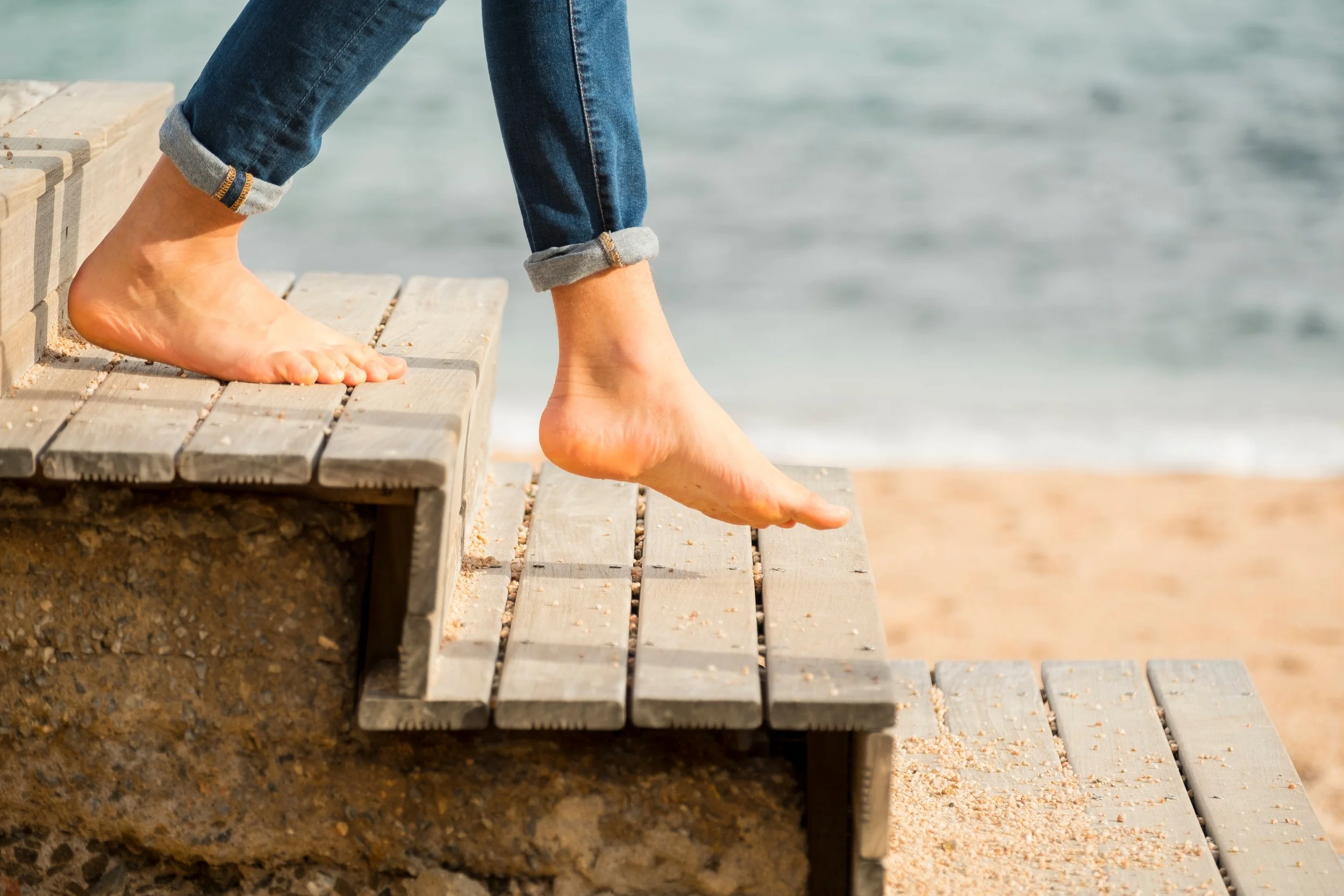
If you were asked to name the most important movement your body performs every day, what would you say? Lifting? Squatting? Reaching?
The answer, surprisingly, is walking. But not just walking—the specific, unique pattern in which you walk, known as your gait.
We tend to think of walking as a simple, automatic activity. Put one foot in front of the other, and you're on your way. But beneath that seemingly simple action lies a complex system that connects your brain, your joints, your muscles, and even your internal organs. Your gait isn't just about getting from point A to point B; it's a continuous conversation between your body and gravity.
And the quality of that conversation determines how well you move, how long you stay independent, and even how your body holds up under the demands of daily life.
Your Gait: The Body's Diagnostic Report
Here’s something surprising: healthcare professionals often refer to gait as the "sixth vital sign." Just as blood pressure gives insight into your cardiovascular system, your gait offers a revealing snapshot of your overall health.
A healthy gait is characterized by:
Symmetry: Both sides of the body working in harmony.
Fluidity: Smooth transitions from one phase of walking to the next.
Adaptability: The ability to adjust stride length and speed when navigating different surfaces or obstacles.
When gait is compromised, the effects ripple outward. A subtle limp doesn't just stay in the foot or knee. It travels upward, creating imbalances in the hips, tilting the pelvis, and eventually twisting the spine. What starts as a minor issue can, over months or years, manifest as chronic back pain, shoulder tension, or even jaw discomfort as the body continues to compensate.
The Unseen Consequences of a Poor Gait
We often ignore early signs of gait dysfunction because they don't seem urgent. But the cumulative toll of walking inefficiently for years is significant.
Energy Drain
Walking with a compromised gait is like driving a car with unbalanced tires. It requires more energy to cover the same distance. For younger individuals, this might mean feeling unusually fatigued after a day on your feet. For older adults, this increased "energy cost" of walking can mean the difference between staying active and choosing to remain sedentary—a choice that accelerates muscle loss and decline.
Joint Preservation
Every step sends force through your body. In a healthy gait, that force is absorbed and distributed efficiently by muscles and joints working in sequence. In a dysfunctional gait, certain joints become overloaded. The knees, hips, and lower back take on more than their fair share. Over decades, this uneven loading accelerates osteoarthritis, leading to pain that could have been prevented with better gait mechanics.
Fall Risk
Falls are not an inevitable part of aging—they are often the result of a deteriorating gait that went unaddressed. When your walking pattern becomes hesitant, when your steps shorten, or when your feet fail to clear the ground properly, the risk of tripping skyrockets. A single fall can fracture confidence as much as bones, creating a fear-based cycle that further reduces mobility.
Gait Across the Lifespan: A New Lens
Rather than viewing gait as an "elderly issue," consider it a lifelong practice—like dental hygiene or cardiovascular fitness.
In Childhood: Gait is foundational. The way a child walks influences the development of their entire skeletal structure. Identifying issues like toe-walking or excessive pronation early can prevent compensatory patterns that become ingrained by adulthood.
In Adulthood: Your gait is a buffer against injury. Strong, balanced walking mechanics allow you to handle the physical demands of parenting, physically demanding jobs, and recreational sports without breaking down. It’s your body’s shock absorption system.
In Later Years: Your gait is your currency of independence. The ability to walk safely determines your capacity to live alone, socialize, and maintain dignity. Research consistently shows that walking speed in older adults is a strong predictor of longevity—faster walkers tend to live longer, not because speed itself is magical, but because it reflects underlying health, strength, and neurological function.
Practical Steps to Cultivate a Healthy Gait
You don't need a specialized lab or expensive equipment to improve your gait. You simply need awareness and consistency.
1. Walk Barefoot (Safely)
Walking barefoot on firm, safe surfaces allows the hundreds of nerve endings in your feet to send rich sensory information to your brain. This improves proprioception—your body's ability to sense its position in space—which is the foundation of confident, adaptive walking.
2. Strengthen Your Feet
Your feet are not just passive platforms; they are active structures. Practice toe spreads, towel curls, and calf raises to maintain foot strength and arch integrity. Strong feet create a stable launch pad for every step.
3. Train Single-Leg Stability
Walking is essentially a series of single-leg stances. If you cannot balance confidently on one leg, your gait will be unstable. Practice standing on one leg while brushing your teeth or waiting for coffee to brew. Aim for 30 seconds per side.
4. Mobilize Your Ankles
Ankle stiffness is one of the most overlooked contributors to poor gait. When ankles lack dorsiflexion (the ability to bring the toes toward the shin), the knees and hips compensate. Simple ankle mobilization exercises—like drawing the alphabet with your toes—can restore lost range of motion.
5. Seek a Gait Analysis
If you experience persistent pain, uneven shoe wear, or a noticeable change in your walking pattern, consider a professional gait analysis. Physical therapists, podiatrists, and some fitness professionals can assess your movement and identify the root cause of dysfunction before it becomes a chronic issue.
A Final Thought
Walking is the most human of movements. It connects us to our environment, to our communities, and to our own physical selves. Yet because it comes so naturally, we often neglect to maintain it until something goes wrong.
Your gait is not static. It evolves with your habits, your injuries, and your age. The good news is that it can also improve with attention and intention. By treating your walking pattern as a vital component of your health—worthy of the same care you give to nutrition and strength—you invest in a future of mobility, independence, and vitality.
So take a moment today to notice how you walk. Feel your feet connect with the ground. Observe the rhythm of your stride. And know that with every step you take, you are shaping the health of your body for years to come.
Your gait tells a story. Make sure it's one of strength, balance, and longevity.